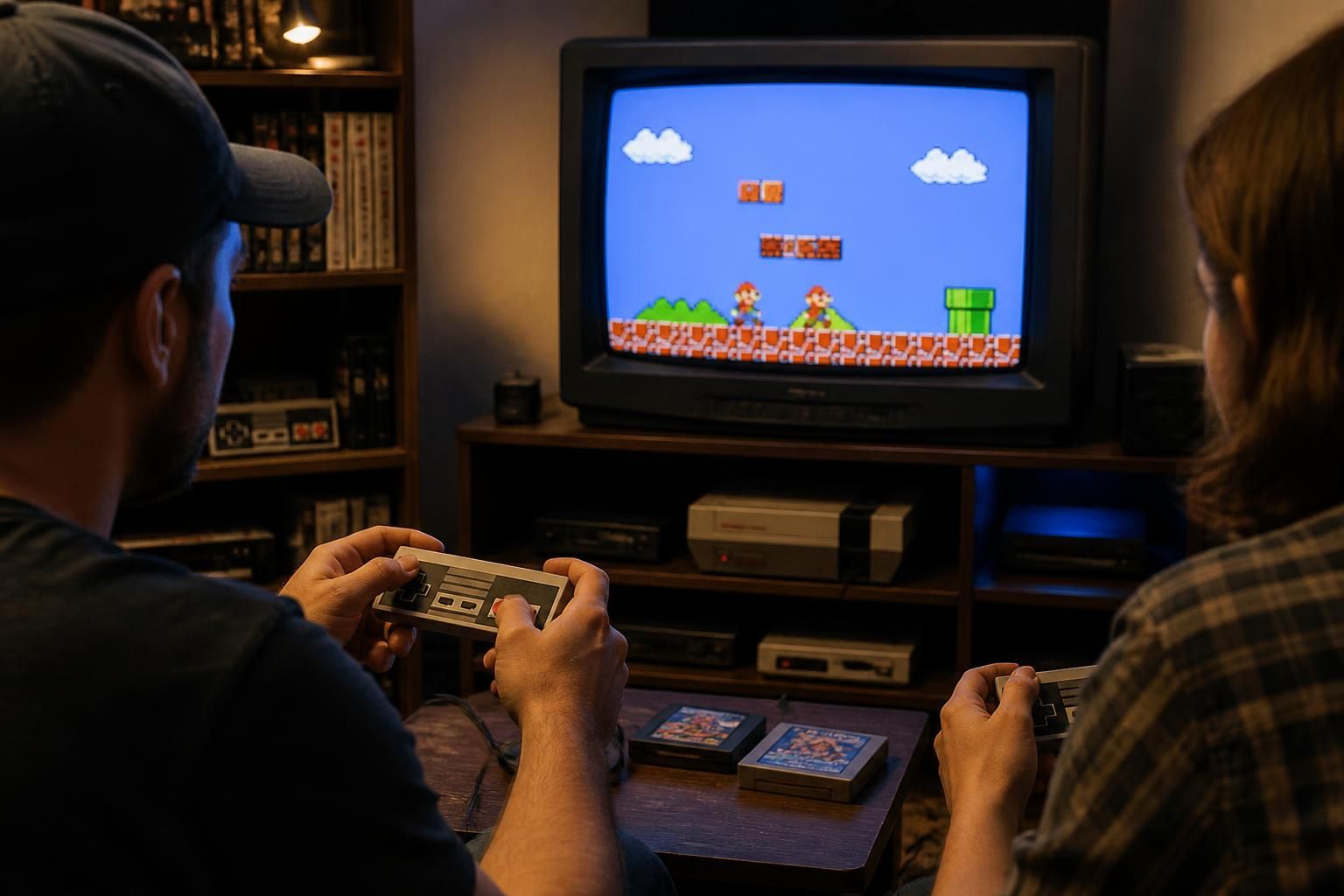
Retro games making a comeback has become a significant trend in the gaming industry, driven by a wave of nostalgia among players who yearn for the simpler times of their childhood. As technology advances and the gaming landscape evolves, many developers and publishers are rediscovering classic titles, remastering beloved games, and even creating new content inspired by the retro era. This resurgence reflects a broader cultural phenomenon where nostalgia influences purchasing decisions and gaming habits.
Why Nostalgia is Powering the Resurgence of Classic Games
The emotional connection that many gamers have with retro games plays a pivotal role in their current popularity. For individuals who grew up in the ’80s and ’90s, titles from that era often evoke powerful memories of shared experiences with friends and family. This deep-seated affection for the past can drive consumers to seek out these games once again, whether through original consoles, digital re-releases, or modern adaptations.
Moreover, nostalgia marketing has emerged as a potent strategy in the gaming world. Companies are leveraging the emotional resonance of retro titles to attract audiences, creating campaigns that celebrate classic characters and storylines. As a result, players of all ages can engage with these cherished games, bridging the gap between generations.
The Impact of Technology on Retro Game Releases
Advancements in technology have also contributed to the revival of retro games. Modern gaming platforms, including consoles and PCs, allow for improved graphics and gameplay mechanics that enhance the original experience without compromising the integrity of the classic title. Emulators and digital distribution platforms have made accessing these games more convenient than ever, making retro gaming a viable option for new audiences.
Additionally, the rise of indie developers has played a crucial role in the resurgence of retro aesthetics and gameplay. Many indie studios create titles that pay homage to old-school gaming while introducing fresh ideas and innovations. These games often feature pixel art graphics, chiptune soundtracks, and straightforward mechanics that harken back to earlier days, attracting both nostalgic players and younger gamers curious about the past.
Popular Retro Franchises Making a Comeback
Several iconic franchises have successfully transitioned back into the spotlight, illustrating the trend of retro games making a comeback. For example, the Super Mario series has seen numerous remasters and collections, allowing new players to experience classic titles alongside seasoned fans. Similarly, franchises like The Legend of Zelda and Final Fantasy have embraced their histories, releasing updated versions of beloved games that captivate both old and new audiences.
Moreover, the recent success of titles like Street Fighter and Castlevania showcases how developers can revitalize classic gameplay while maintaining the essence that made these games popular in the first place. These franchises continue to thrive, attracting tournaments and competitive play, as seen in the thriving esports scene surrounding retro titles.
The Role of Community and Culture in Retro Gaming
The community surrounding retro games has also fueled their resurgence. Online forums, social media, and streaming platforms have created spaces for fans to discuss their favorite titles, share gameplay tips, and even collaborate on new content inspired by classic games. This sense of community fosters engagement and support for retro gaming, leading to larger audiences for both old titles and newly created content.
Furthermore, events like gaming conventions often feature retro gaming sections, where players can relive their childhood experiences by playing classic games and meeting fellow enthusiasts. This cultural aspect reinforces the idea that retro games are not just relics of the past, but vital components of gaming history that continue to resonate with players today. Platforms such as เว็บสล็อต provide access to a plethora of retro-inspired content, further merging community engagement with nostalgia-driven experiences.
Future Trends in the Retro Gaming Landscape
As retro games continue to gain momentum, the future holds exciting possibilities. The rise of virtual reality (VR) and augmented reality (AR) may offer new ways to experience classic titles while introducing innovative gameplay mechanics. Additionally, the success of mobile gaming has opened doors for remakes and adaptations of popular retro games, allowing them to reach audiences who primarily engage with games on their smartphones.
Moreover, we may see an increase in collaborative efforts between established studios and indie developers, blending modern design philosophies with retro aesthetics. This partnership could lead to new games that honor classic titles while pushing the boundaries of creativity and technology, ensuring that the legacy of retro gaming continues for years to come.
In conclusion, the trend of retro games making a comeback illustrates the enduring appeal of classic titles in today’s dynamic gaming market. Driven by nostalgia, technological advancements, and a thriving community culture, these games resonate with players across generations. As the industry continues to evolve, it is clear that the charm of retro gaming will persist, shaping future experiences for both old fans and newcomers alike.
Leave a Reply